Articles
Ideas, observations, and practical guides from the TBST Digital team.
I am a...

Your Agency Should Be Making You Smarter — Not More Dependent
Most agencies profit from keeping clients confused. A better model builds client capability — and earns loyalty through value, not captivity.

Brand Is More Important in the Age of AI
AI features become table stakes fast. When every competitor has the same technology, brand — encoded as behavioral specifications, not logos — becomes the only durable differentiator.

Why Agencies Default to Lead Gen (And What It Costs You)
Agencies default to selling leads because leads are easy to sell and easy to measure. The actual work clients need — strategic communication, brand positioning, trust building — goes undone.

The Pipeline That Listens — Why Your Content Should Be Generating Intelligence, Not Just Attention
Most content pipelines are one-way broadcasts. The ones that compound are circular — every piece of content is also a sensor that generates intelligence for the next piece.

I Kept Solving Problems Nobody Asked Me to Solve
When a client says 'I need a chatbot,' the worst thing you can do is quote them a chatbot. The best thing you can do is ask why.

How You Deliver Is the Product — Not What You Build
When AI can build the same thing you build, what's left to sell? The answer: how you deliver it.

From an Idea to Revenue — The Pipeline That Builds Itself
Every business owner has ideas worth money. The problem is not the thinking — it's the lack of a system to turn thinking into revenue. Here's the pipeline.

Your Website Is a Persuasive Document — Not a Brochure
Most websites are designed as aesthetic objects. But a website's job is to persuade — and that requires structure, not decoration.
Your Homepage Should Suck (And Why That's a Good Sign)
If your paid campaigns send traffic to your homepage, your targeting is wasted. Purpose-built landing pages convert better because they continue the conversation the ad started.

Three Things Your Website Should Actually Do for Your Business
Most websites only serve one function — generating leads. But a website creates real business value when it also saves time and supports existing customers.

Your Website Is Not a Cost — It's an Asset
Most businesses treat their website like an expense — something to minimise. But a website that receives consistent investment generates compounding returns. Here's how to think about it differently.

Your DIY Website Is Costing More Than You Think
DIY tools promise to save money. They rarely do. The real cost is hidden in time, opportunity, and the ceiling they create.

The Best Email You Can Send a Client Has Nothing to Do with Your Work
The most valuable email you can send a client isn't a project update — it's something useful you found specifically for them. Here's how to build a system for it.
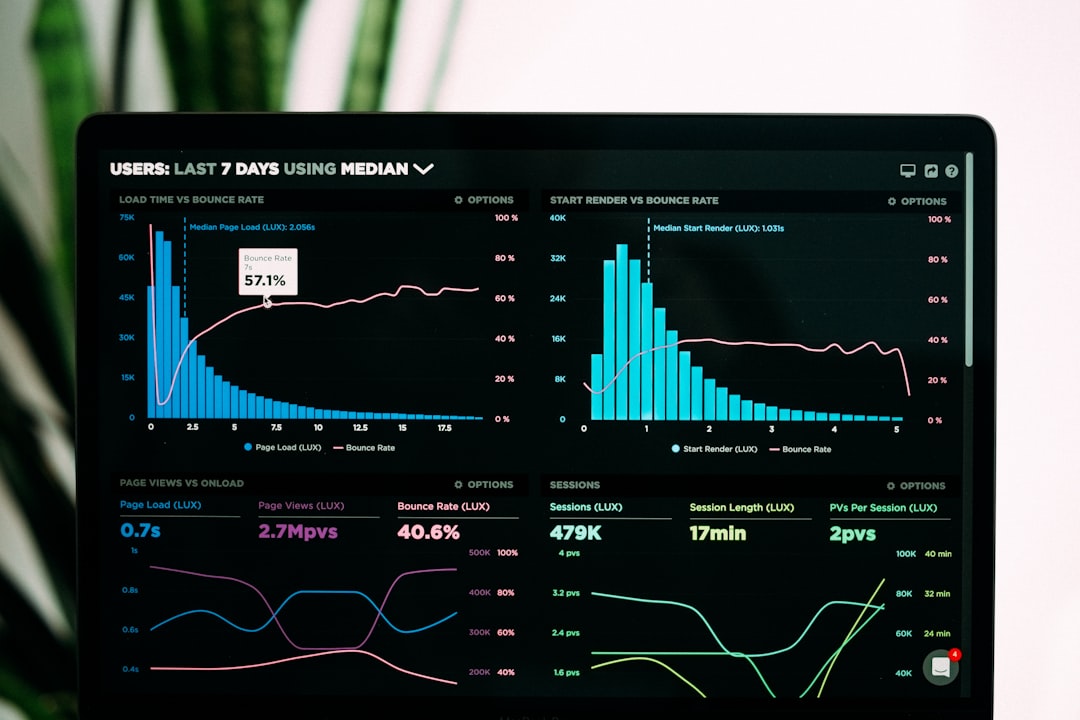
Why SEO Disappoints — And What to Do About It
Most SEO disappointments have the same root cause — treating five distinct specialties as one undifferentiated service. Here's how to scope SEO correctly before you spend a dollar.
The Four Stages of Digital Maturity
Most businesses treat their website as a task, not an asset. The Digital Maturity Model explains why — and what it takes to progress beyond Stage 1.

The Questions to Ask Your SEO Provider Before You Spend Anything
Most SEO engagements go wrong before any work begins. These are the questions that reveal whether your provider has a strategy — or just an activity plan.

What Your Website Is Actually Worth
Most businesses measure website value by leads generated. But a website creates five distinct types of value — and most businesses only access one.

Why Your Website Is Your Secret Weapon in the Age of AI Advertising
As AI advertising platforms optimise toward the same benchmarks, your website's first-party data becomes the competitive differentiator no platform can replicate. Here's why — and how to start building that advantage.
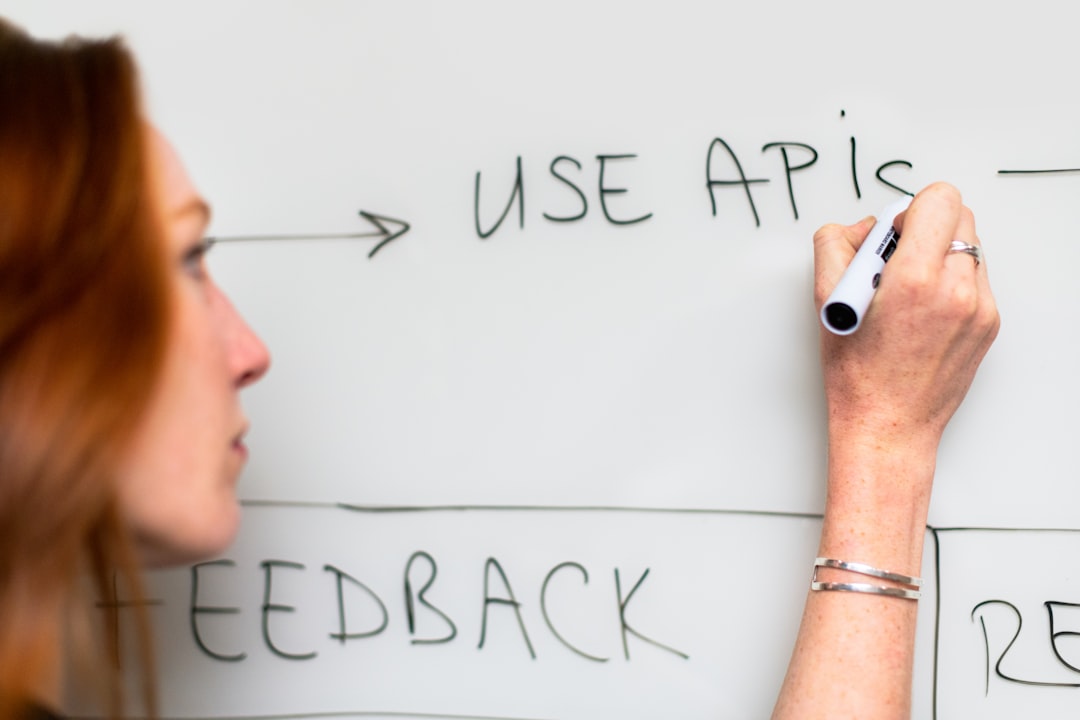
The Feedback Loop: How Ad AI and Website Data Should Work Together
There is a quiet revolution happening in digital advertising, and most businesses are only half participating in it. On ...

The infrastructure of content
Why treating website content like code — version-controlled, structured, and reusable — turns it from a cost centre into a durable business asset.

Customer service is a design choice
Your content structure should reflect the same service values as your support team. Three small structural details that show readers you respect their time.

You suck at briefing. But that’s our fault.
Most clients struggle to write good briefs — and that’s on us. Test-Driven Briefing borrows from software development to define success before work starts.

Business as code
What if your business rules were written like software — repeatable, testable, and reliable? A practical look at codifying how a small business runs.
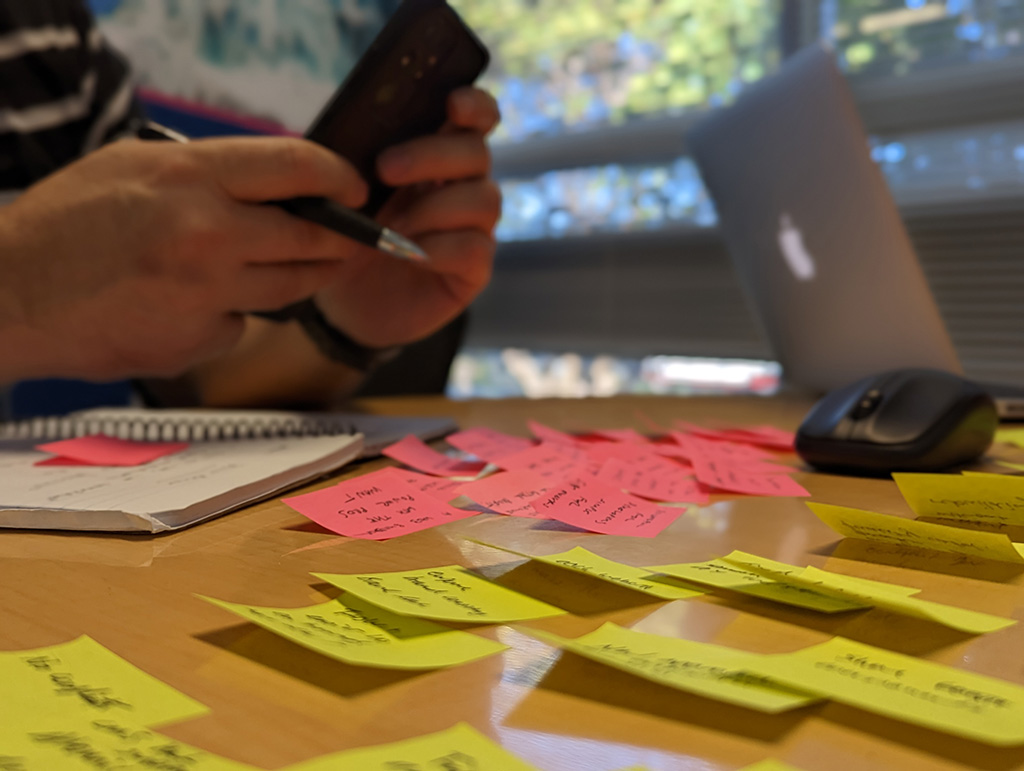
Structuring Your Website for Purpose and Performance: A Funnel-Based Approach
How to apply the TOFU-MOFU-BOFU funnel framework at a page level so every part of your website serves a clear role in the customer journey.

The world’s best pies
If your website says you’re "the best", you’re not saying anything. Here’s how to spot vague claims in your copy and replace them with something specific.

Let’s stop obsessing over SEO. Seriously.
SEO and AdWords are tactics, not a strategy. Build a proper media mix instead of betting your entire marketing plan on a single channel.

Your Attack Surface: Understanding and Securing Your Digital Perimeter
Your attack surface is every point an attacker could exploit. Learn what it includes for mid-sized businesses and eight steps to reduce your exposure.

Pexels.com: Free Stock Imagery That Actually Works
How I use Pexels.com for blogs, prototypes, and internal projects — and where free stock imagery falls short.

What is a Custom Post Type?
Custom Post Types let you organise WordPress content beyond posts and pages. Here's how they work and when to use them.
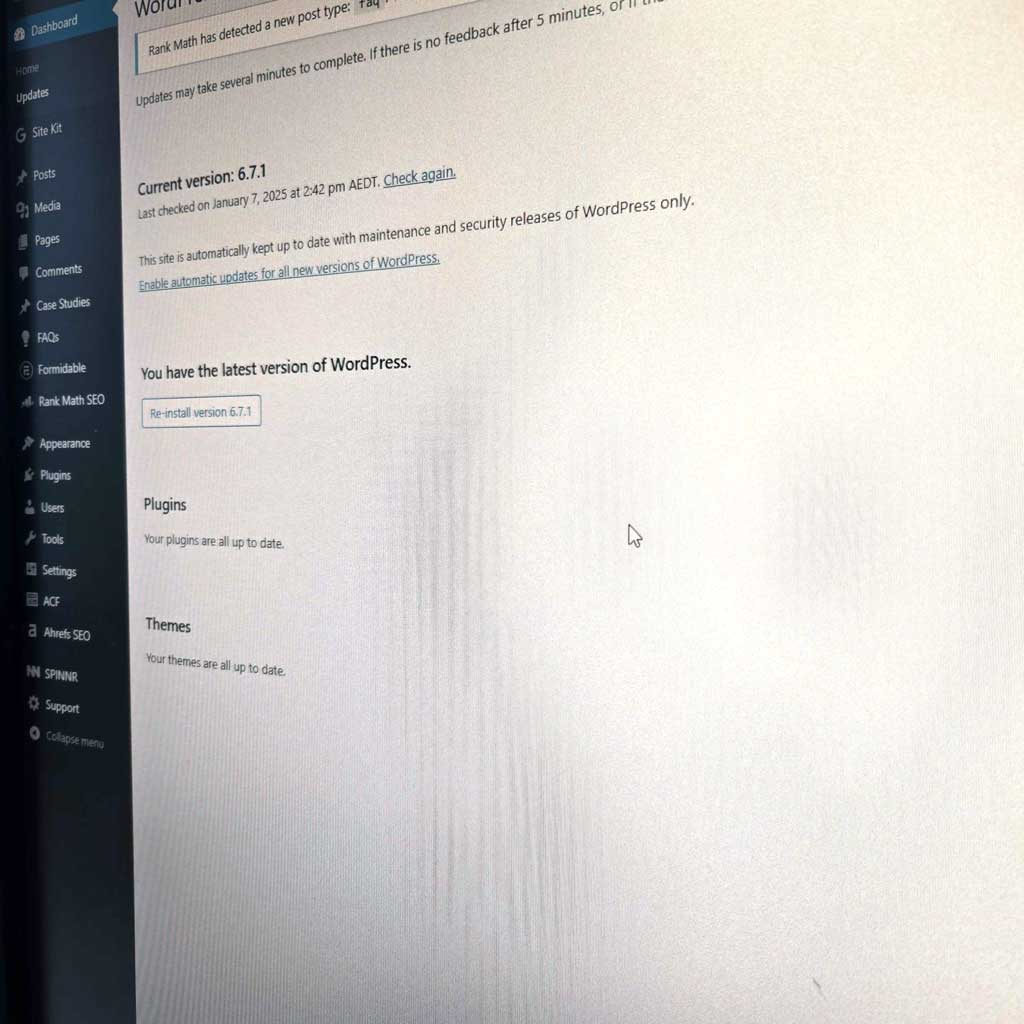
What Happens When I Click Update to WordPress?
For many WordPress users, the “Update” button is a necessary but mysterious part of website management. Clicking it often feels like sending a ship off to sea without knowing if it will return unscathed. But what exactly happens when you update WordPress, and why is it important? The Anatomy of an Update When you update.

How Do Plugins Work?
In the world of WordPress, plugins are the unsung heroes. They are the modular extensions that make this platform more than just a content management system; they transform it into a highly adaptable, almost endlessly customizable tool. But what exactly are plugins, and how do they work? The Basics A WordPress plugin is a piece.
CSS experiment 1
CSS experiment 1

Common website patterns: Store locator
Requirements Description Once the store locator plugin is installed, it will need to be configured with the list of the stores. To configure, you will need to upload the list of stores, including their address. When users visit the page with the locator on it, if they select “use location”, Their browser window will ask.

Common website patterns: Filtering
Requirements Description Filtering is a way to help the user narrow down results to help find what they are looking for. This is not only used for ecommerce – but can be applied to any list of objects that can be organised by different attributes, for example articles, or downloads. The most important step in.

Common website patterns: Sign up for newsletter Example workflow
Requirements Description A form is embedded or created on your website, asking users to submit their email address. Submitted responses are then stored in your email campaign system (e.g Mailchimp). Emails are designed and sent out from your email campaign system.

Designing for localisation
Localising content is an excellent way to ensure that users are served more relevant content. But it’s important to make sure that the user experience isn’t disruptive. Proper localization integrates seamlessly into UI/UX design, making users from diffrent backgrounds and cultural references, feel as if the product was tailored specifically for their region. This article.
The principle of least privilege for marketing teams.
As your marketing efforts exand, the complexity of managing a WordPress website increases exponentially. What once was a simple brochure-ware website, managed by one person, can quickly become a complicated software platform with contributions from different teams and suppliers. Establishing good governance around user roles and permissions is not just a matter of convenience—it’s a.

2FA for WordPress websites
2FA is a pain in the arse. You were all thinking it, and I was as well. But it’s more of a pain when your site get’s hacked, so like almost all security, it’s one of things you just have to do to avoid pain in the future. Anyways – if you aren’t getting your.
Building the business case for a new website
To break down the decision of “Should I create a new website?” into manageable steps, we can guide the decision-making process by considering key factors and questions that lead up to the final choice. Here’s a sequence of smaller decisions that can help: 1. What is the purpose of your website? Understanding the exact goals.

Transforming Your Digital Footprint into a Valuable Business Asset
Why Your Website Should Be More Than Just a Digital Presence In today’s fast-paced digital landscape, websites are often viewed as disposable tools rather than valuable assets. At TBST Digital, we believe this perspective overlooks a significant opportunity for businesses to harness their digital footprint to create substantial value. Your website, along with your social.

Integrating Social Media: Boost Your Site’s Engagement Responsibly
Integrating social media into your WordPress site is essential for enhancing engagement, increasing visibility, and building a community around your brand. However, it’s crucial to approach this integration thoughtfully to avoid bloating your site with excessive plugins, which can impact performance and maintenance. Here’s how to incorporate social media effectively, with an emphasis on using.

Adding and Managing Pages: Structuring Your Website for Success
Creating and organizing pages on your WordPress site is foundational to both the structure and navigation of your website. It helps visitors understand your offerings and easily access the information they need. This detailed guide will help you add and manage pages effectively, ensuring a coherent structure that enhances user experience. Introduction to WordPress Pages.

Choosing a Theme for Your Website: Matching Style with Marketing Needs
Selecting the right theme for your WordPress site is crucial. It’s not just about aesthetics; the right theme can enhance your marketing efforts, improve your site’s usability, and ensure better engagement with your audience. Here’s a comprehensive guide to choosing a theme that aligns with your business goals. Understanding the Importance of a Good Theme.

Creating Your First Post: Capturing and Engaging Your Audience
Now that you understand the difference between posts and pages, it’s time to put your knowledge to practical use by creating your very first post. Posts are ideal for engaging content that keeps your audience coming back. Let’s dive into how you can create compelling posts that resonate with your readers. Step into the World.
Getting Started with WordPress: Your Gateway to an Effective Online Presence
Welcome to the world of WordPress! Whether you’re a budding marketer or a business owner looking to carve out your space on the web, mastering WordPress is a crucial step. Here’s a simple guide to get you started on this versatile platform. Finding Your Way to the Dashboard Step 1: Log In First things first,.

How Much Does It Cost to Redesign a Corporate Website in 2024?
Ask a web professional: “How much should a website build cost?” And their answer is bound to be “How long is a piece of string”. As unproductive as this conversation is, I’d be surprised if you haven’t heard, or perhaps even been a part of this exchange yourself. It’s a common challenge in the business.
What You Need to Know about Mobile-First Design
Lately, we’ve been diving into some really interesting talks with designers and clients about mobile-first design. We want to share a couple of key insights that might help clear things up. Prioritizing Content: Need to Know vs. Nice to Know The core of mobile-first design is about prioritizing your content. It’s about distinguishing what users.

The Hidden Costs of Building a Website
When you’re getting ready to build a website, there are a few things you might not think about that can end up costing you. Let’s break down what these hidden costs are and how you can avoid them. Don’t Forget the Time and Effort You Need to Put In A lot of people think they.

How Much Should You Spend On Your Website?
In over 10 years as a web development agency, we’ve been asked this question countless.

Is ChatGPT Coming For Your Job?
“ChatGPT is coming for your job!” This line could be a source of unease for.

Unraveling Patterns In Web Design: Enhancing User Experience
At TBST Digital, we strive to demystify the sometimes complex, and often overlooked, aspects of.

Understanding Strategy And Tactic Through The Lens Of Social Media
Ever heard someone say, “Our strategy is social media!”? It’s a phrase that’s been tossed.
Are AI Web Builders The Future Of Web Development?
A topic that’s been receiving significant attention in the web development space is AI web.

Effective Website Briefing: Why Clarity Matters
Recently, we were approached for a website quote, so we asked a fundamental question: “Why.

Breaking Down Big Decisions On Your Website
There’s a common challenge when it comes to making tough choices for your website: how.